When should I schedule my child’s first dental appointment?
We suggest booking a visit as soon as your child’s first tooth emerges. The American Academy of Pediatric Dentistry advises seeing a pediatric dentist by six months after the first tooth appears or by age one, whichever comes first.
How does a pediatric dentist differ from other dental professionals?
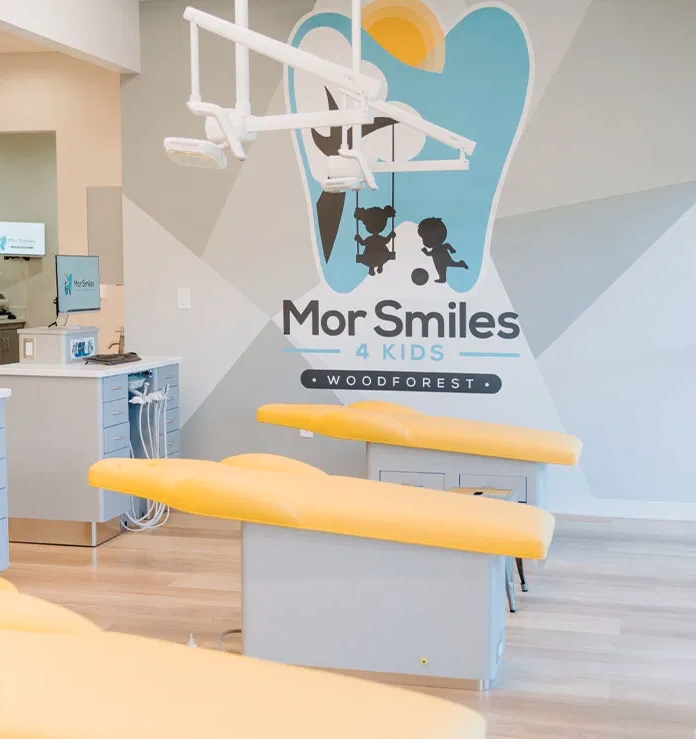
All dental specialists start with dental school, then continue with specialized training. Pediatric dentists receive extra education focused on infants, children, and teens. They understand childhood development and behavior, making visits comfortable and friendly. Our office is designed specifically for kids, with caring staff, kid-friendly decor, and activities to help children feel at ease.
What can I expect during my child’s first dental visit?
The first visit is usually brief and gentle. We’ll focus on getting to know your child and providing you with guidance. The dentist will examine teeth placement and oral health, check gums and jaws, and may perform a gentle cleaning if needed. We’ll answer your questions and share helpful tips for home care.
How should I prepare my child for their first dentist appointment?
Keeping a positive attitude is key. Kids pick up on adults’ feelings, so avoiding negative comments helps reduce fear. Show your child pictures of our office and staff on the website. Explain why keeping teeth healthy matters and reassure them that our skilled team makes visits comfortable and fun.
How often should my child visit the dentist?
Generally, we recommend checkups every six months. However, depending on your child’s oral health, we might suggest more frequent visits.
Why do baby teeth need special care if they fall out eventually?
Baby teeth are essential for speaking, smiling, and chewing correctly. They also keep space for permanent teeth. Losing baby teeth too early can cause crowding or crooked permanent teeth. Plus, oral health impacts overall health, so caring for baby teeth matters.
What’s the best way to clean my baby’s teeth?
Before teeth appear, wipe gums gently after feedings with a soft, damp cloth. Once the first tooth arrives, start brushing with a soft-bristled, small-headed toothbrush designed for infants.
When can I start using toothpaste for my child’s teeth?
Once your child has a few teeth, use a tiny smear of fluoridated toothpaste—about the size of a grain of rice. Children tend to swallow toothpaste, so keep the amount small. Brush your child’s teeth until they can do it well themselves, usually around ages six or seven.
What causes cavities?
Certain bacteria in the mouth feed on sugary foods and produce acids that erode tooth enamel. This erosion creates holes called cavities.
How can I help my child prevent cavities?
Encourage brushing twice daily with fluoride toothpaste and daily flossing. Limit sugary snacks and drinks, maintain a balanced diet, and keep regular dental visits for cleanings and checkups.
Does my child need dental sealants?
Sealants protect the grooves in molars where brushing can miss spots. They’re a safe and simple way to reduce cavities, especially on hard-to-reach back teeth.
My child plays sports. How do I protect their teeth?
Sports can involve contact, so mouthguards are important. For kids playing baseball, soccer, or similar sports, we can provide custom-fitted mouthguards to protect teeth, lips, cheeks, and gums.
What should I do if my child sucks their thumb?
Thumb sucking is common in infants and usually stops by age four without harm. If it continues aggressively after permanent teeth come in, let us know so we can check for possible issues.
When should my child have dental X-rays?
We typically start X-rays around ages two or three to introduce the process gently. Once back baby teeth touch, yearly X-rays are advised to monitor development. Permanent teeth begin emerging around age six, and X-rays help ensure healthy growth and alignment. High-risk children might need earlier imaging.